Field notes: the week erosion ate a week's worth of cut, and the GC called it theft
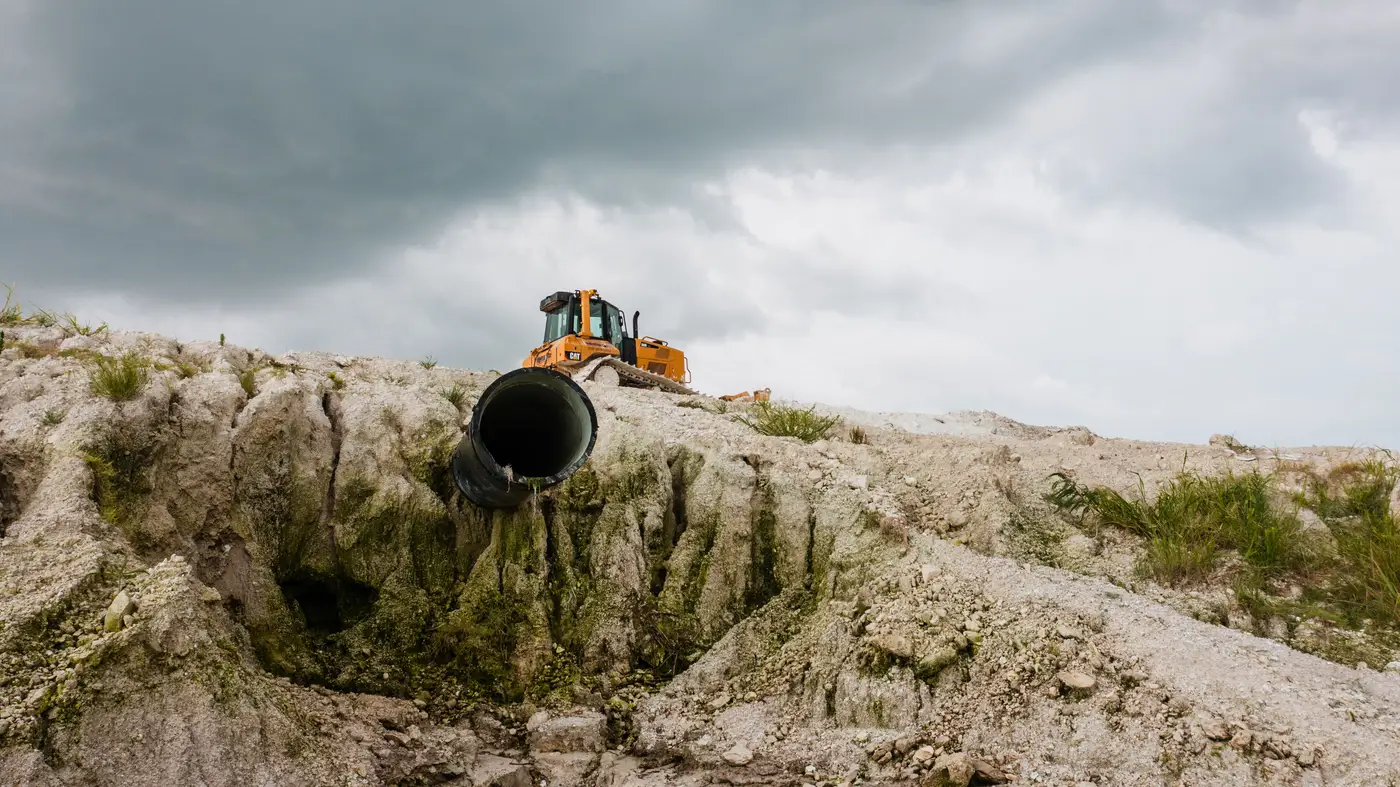
Tuesday night it rained four inches in three hours. By Wednesday morning the super was standing at the toe of the north cut with his arms crossed, looking at a slope that had sloughed about eight feet back and a drainage swale that was now half-full of the dirt that used to be up top. By Friday the pay app came in short on cut volume against the prior week, and the phone call started with "where's my dirt."
That phrase gets used a lot on grading jobs and it almost never means what it says. The GC's PM had pulled the sub's load tickets, done rough math against the estimate, and landed on a number that didn't match what the schedule said should've moved. The accusation wasn't subtle: somebody's hauling off-site material and billing it as on-site cut, or somebody's padding truck counts that never left the gate. Nobody said the word fraud out loud, but it was in the room.
What happened next was duller than theft, and a lot more expensive to untangle after the fact. A big rain event on a freshly cut slope with no cover doesn't just erode, it relocates. Material doesn't disappear, it slides downhill and settles into the swale, the haul road, the low corner of the pad where the silt fence was doing its best. That material is still on site. It's just not where the cross-sections said it would be, and it's definitely not where anyone counted it as "moved" on a load ticket, because a truck never touched it.
Load counts were never built to catch this. A truck count tells you how many loads left a cut and arrived at a fill, full stop. It has no opinion on what the rain did to the slope between Tuesday's shift and Thursday's. So when a storm eats a chunk of the week's planned cut and redeposits it somewhere the as-built doesn't expect, the load count and the ground state start disagreeing, and the only people positioned to notice are whoever's standing on the dirt. Which, on most jobs, is exactly the party getting accused.
A surface ended the argument on this job. The super had flight data from the week before the storm and new capture from the Monday after, and the volume delta between the two surfaces showed the cut face losing roughly what the ticket count said was missing, with that same volume showing up as new fill in the swale and along forty feet of haul road nobody had scheduled to touch. The dirt wasn't gone. It had just moved on its own, on a Tuesday night, without anybody's help. That's a very different pay app line than "the earthmoving sub is light on hauls," and it's the kind of thing a volume number pulled straight from weekly drone surface comparisons can settle in an afternoon instead of a week of finger-pointing.
The bigger pattern runs deeper than one storm. Cross-section takeoffs and load tickets are both snapshots of intent, what was supposed to move and roughly how it was supposed to get there. Weather doesn't read the schedule. Neither does a slope that was always a little too steep for the soil it's cut into. The sites that stop having this argument are the ones where somebody's comparing surfaces often enough that a storm shows up as a line item instead of a dispute.
Next time a cut goes missing on paper, it's worth asking the ground before you ask the sub. Pull this week's surface against last week's before that call happens at all.