Borrow pit volume vs. on-site cut: two different numbers in a haul plan
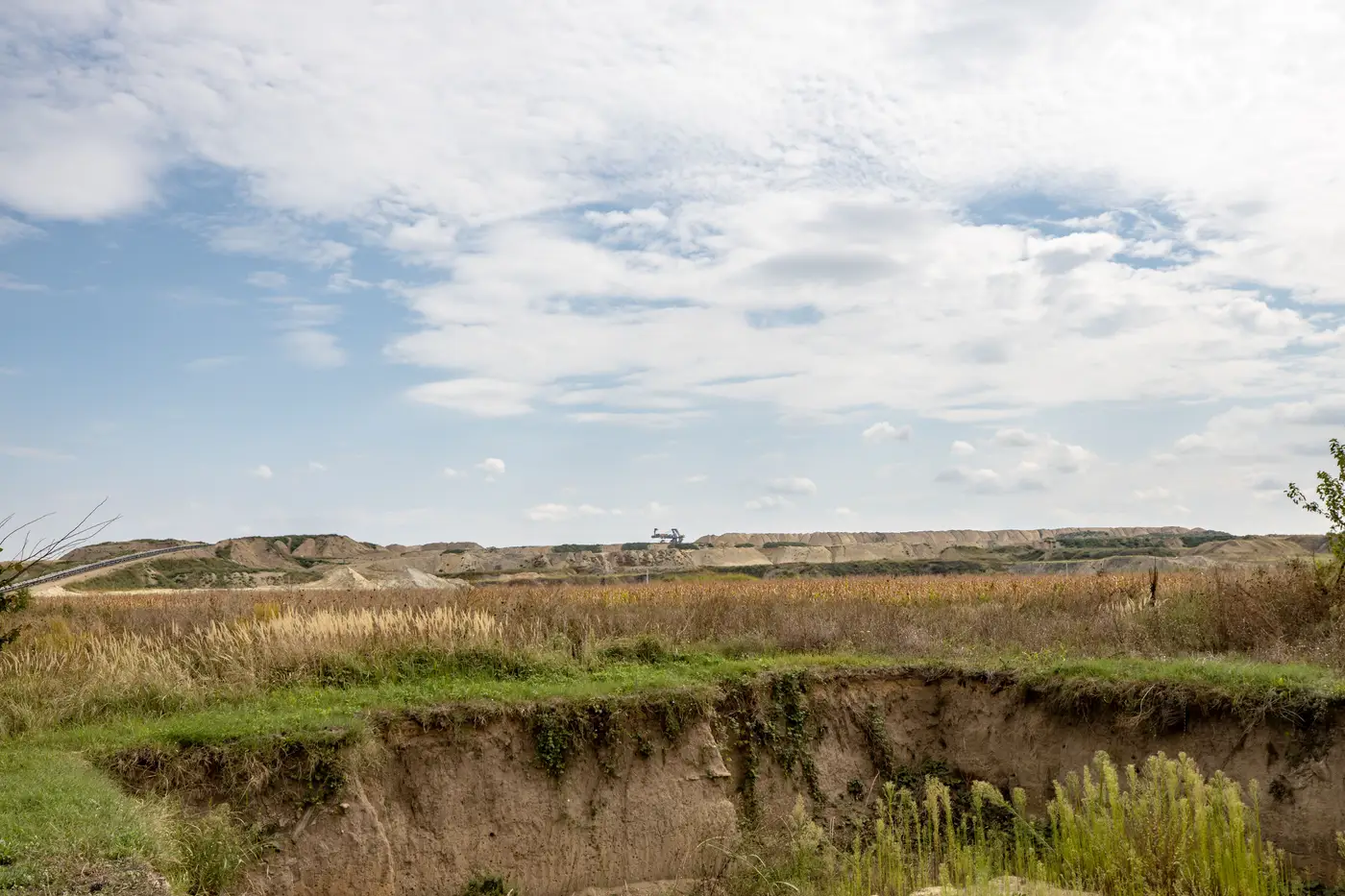
A super I worked with years back used to say the job wasn't done until the dirt stopped moving. That's still true, but figuring out how much dirt is moving, and where it's coming from, is where a lot of haul plans go sideways. The mix-up usually comes down to one thing: treating on-site cut volume and borrow pit volume as the same number when they're answering two different questions.
On-site cut volume: what's already in the ground
On-site cut is the material your excavation crew is pulling out of the project footprint itself. It's the stuff that was there before you broke ground: topsoil strip, rough grading cuts, trench spoil, basement excavation. You measure it by comparing the existing ground surface to the design surface (or to last week's surface, if you're tracking progress), and the difference tells you how much got moved.
This number drives two things on a civil job. First, it tells you how much of that material can go straight to fill elsewhere on site, which is the cheapest dirt you'll ever move because it doesn't leave the property. Second, it's the basis for a lot of earthwork pay app lines, especially on unit-price contracts where you're getting paid per cubic yard of cut.
The catch is that on-site cut volume changes week to week as the grading sub works through the site. A cut number from the original geotech survey or the engineer's design takeoff is a snapshot from before anyone touched the ground. By week four of mass grading, it's stale.
Borrow pit volume: what's coming from somewhere else
Borrow volume is a different animal. It's material you're bringing in from an off-site source, a commercial pit, a quarry, another project's surplus, because the site doesn't generate enough suitable fill on its own, or what it does generate isn't engineered fill (too much organic content, wrong gradation, can't be compacted to spec).
The borrow quantity on your haul plan should come from the fill deficit, not from a separate guess. If your cut/fill balance shows the site is short 8,000 cubic yards after accounting for shrinkage and swell, that's roughly your import borrow material haul plan target, adjusted for the compaction factor of the fill material itself. Borrow pit volume as measured at the source (by the pit operator's own survey) and borrow volume as delivered and compacted on your site are not the same figure either, because loose material compacts down once it's placed and rolled.
Where the two numbers collide in a haul plan
A hauler's truck count is usually built off the borrow pit's own measurement of what left the pit, taken by the pit operator at the scale house. Your site needs a different number: how much material landed and compacted in place. Meanwhile, the on-site cut vs imported fill split matters for your payment application because they're frequently billed under different line items: excavation under one, imported structural fill under another.
If you're reconciling cut volume vs borrow quantity using two different sources, a cross-section takeoff for the cut side and a trucking company's load tickets for the import side, you end up with two numbers nobody can fully defend when the owner's rep asks for backup. Load counts tell you how many trucks showed up. They don't tell you how much material is sitting in place after compaction, and they don't tell you how much on-site cut is still available before you need to order the next load of borrow.
Keeping both numbers on the same footing
The fix isn't complicated in principle: measure the ground, not the trucks. A surface-to-surface comparison, this week's drone flight against last week's, against the design grade, gives you a cut/fill volume that's independent of anyone's load count or delivery ticket. Earthwork Volumes builds that comparison from weekly drone capture so the cut and fill numbers feeding your haul plan and your pay app come off the same measured surface, not off two different parties' bookkeeping.
If your next draw request is leaning on the earthmoving sub's own tally of what moved, it's worth checking that number against a volume pulled straight off the ground.